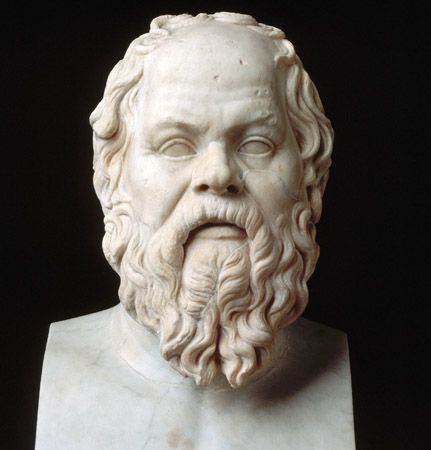
The way we see the world has the power to change it. Whereas, philosophy has the power to change the way we see the world. Ultimately, philosophy has the power to change the world by changing the way we see it.
Our Worldview
We all look at the world with the prejudices of our own mind. This means that before we even understand something, we have some conceptions about it. These conceptions guide our actions and conduct towards them.
We already have some conceptions about the world, human nature, reality, arts, knowledge, and so on.

For instance, the world of a theist will be very different from the world of an atheist because they both have different conceptions about the ultimate reality of the universe. Their beliefs about the ultimate reality of the universe will guide their experience and thoughts. The way each would lead his or her life will also be influenced by the different beliefs each person holds.
Or take a more practical example, the concept we have of human nature determines how we may treat our actual fellow human beings. If I think of humans as naturally self-interested beings then I might not trust them in certain matters. So, it’s very important that we have a right conception of everything as we often have to make decisions about them.
The conceptions we form about things are sometimes informed by the sciences, they can be culturally inherited, or they can be socially constructed. But whether we are consciously aware of them or not, we do have conceptions and beliefs about things, and these beliefs have impacts on our decision making process.
How Philosophers See the World
Philosophers see the world differently. They don’t just believe what is told them about the world, instead they question the existing conceptions and belief systems of a society.
They seek to understand things as they really are in themselves. They are not satisfied with the superficial answers that society provide of the fundamental questions of life.

They begin their inquiry of the fundamental truths about the world by first critically evaluating the existing conceptions and belief systems to see whether they are founded on rational grounds.
They ask what is human nature, what is the nature of reality, what is knowledge, what is a good life, what are the principles of justice, is there any rational justification for believing in a God and so on.
Philosophers have devised these questions so that they can understand the fundamental truths about the world. These questions help them in getting to the rock bottom of the problems.
In short, philosophers don’t just assume the truths about the world. They seek the reality of everything.
Does Philosophy Change Anything?
Does philosophy has any real impact on the world? To see if philosophy has the power to change things, it would be best to see if philosophy has changed anything in the past, after all, philosophy has been with us for more than 2 thousand years. In fact many critics of philosophy argue that philosophy is a useless just because it has not changed anything.
But to say that philosophy has no impact whatsoever on our lives will be unjust. As I said earlier philosophy may not be making change directly in our life and world, but it does change our perspective of looking at the world and life, which in turn has real impact the way we live and construct our world.
For example, take the example of human nature. Kant who was one of the greatest German philosopher told us that humans are autonomous beings which means they are self-governing or self-ruling bodies as they possess reason. This changed our way of looking at human beings. We now make laws to safeguard the right of self-determination of people. This shows that we now agree with Kantian conception of human beings.
Apart from this, a philosophical study helps us not to buy the ideologies which seem attractive but aren’t really based on reason. For example, capitalism sell its ideology that a good life is one in which we consume most. But is there any rational justification for the consumerist ideology? There is none. It just appeals to our emotions. The only reason that can be given in favor of consumerism is this: do this because everyone is doing it. That’s ofcourse not a rational answer.

So philosophy’s message is clear:
Don’t take anything on the face value. Critically evaluate your belief systems. So that you may not be mistaken in your judgments.
Reflect on your life. Think about what you believe in. Think about what your experiences tell you about yourself and your world. Reflect on the possibilities of life.
In short, philosophy invites us to reflect upon all of our conceptions. Like what is arts, politics, religion, science, knowledge, morality, and so on. It sought the meanings of all of our conceptions. So that we live a well informed and meaningful life.
Featured image credit: Pinterest
 Everyday Philosophy