
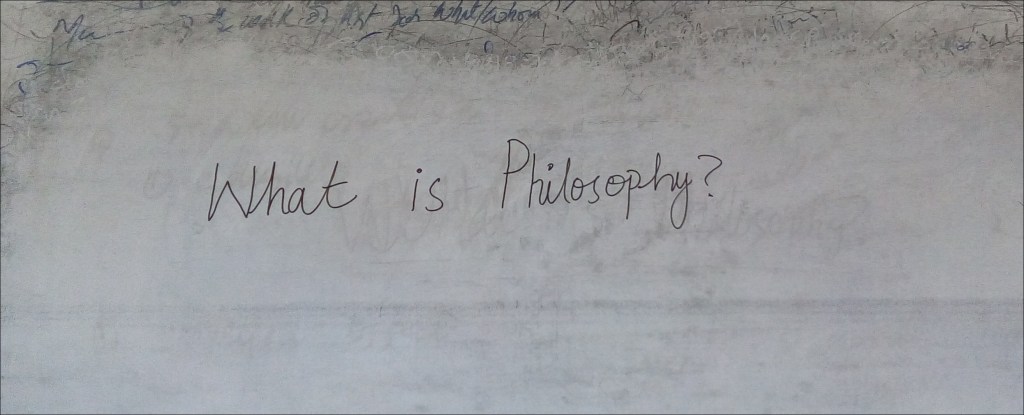
The discipline of Philosophy as it is taught and understood today began with Socrates. He used to live more than two thousand years ago in ancient Greek city-state of Athens.
It was his custom to stroll on the streets of Athens and ask questions about life, ethics, and knowledge to people who claimed to know about these concepts. Through this practice he found something very astounding. Nobody knew the answers to these questions.
This made one thing very clear, that is, people don’t bother themselves about examining the fundamental assumption of life rather they take many things for granted.
Philosophers, on the other hand, are those people of society who don’t take things for granted. It is the spirit of philosophy to question the basic presuppositions of our life. So, philosophers since the time of Socrates have been questioning the fundamental assumptions of our life. For example, they ask are there any foundation for moral judgments? Is there any purpose of life? Does God exist? Can we know anything with certainty? Why is there something rather than nothing? These are just few questions. Philosophy is full of such questions.
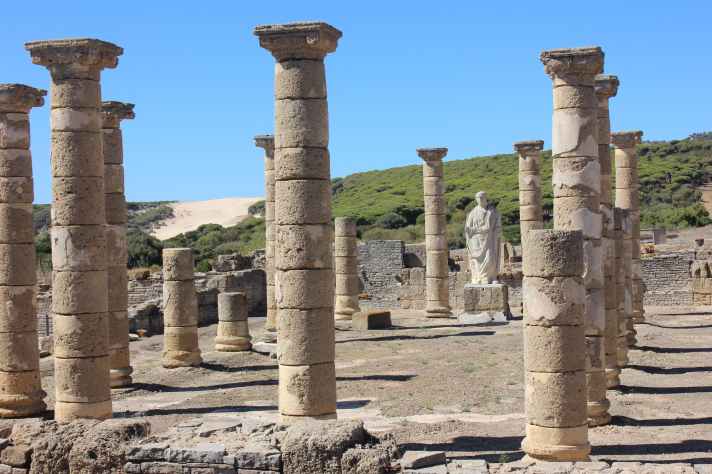
But, philosophy is not just about questions, there is a purpose behind asking all these questions, which is, to get the big picture of life. Philosophers try to get a clear picture of life in which everything has its due place. This big picture helps us live our life, take actions, make decisions, deal with others and so on.
Now you would probably be thinking how does philosophy provide answers to all these problems? Well, philosophers attempt to answer these questions by analyzing the already present beliefs and views. They also critically examine the answers given by other thinkers. They look for the rational justification for the answers and only those answers are accepted which are rational. Socrates himself was well-verse in logical thinking. He used to build logical argument by constantly questioning others and asking justifications for their answers.

To summarize, philosophers engage with the basic problems that life presents and attempt to solve these problems. They examine, on the basis of logic, the belief systems that are popular among people. They look whether those beliefs are justified or not. After critically evaluating the previous answers. They often present their own answers to those problems in the form of logical arguments. These arguments, in turn, are critically judged by other philosophers, who share their own answers to the same problems. In this way, philosophy progresses.
The history of philosophy can be divided into four general periods: Ancient, medieval, modern, and contemporary. Furthermore, with respect to the subject matter, philosophy can be divided into five broad categories as follows:
Epistemology is the inquiry of knowledge.
Ontology is the inquiry of being.
Metaphysics is the inquiry of reality.
Ethics is the inquiry of morality.
Aesthetics is the inquiry of beauty.
 Everyday Philosophy
Keep it up 🙂
LikeLiked by 1 person
Great 🙂
LikeLiked by 1 person
[…] What is Philosophy? […]
LikeLike