
Hey everyone, my name is Saljooq Hudayar. This blog is part of my online course project. Wittgenstein had said, “the limits of my language are the limits of my world.” Language has an indispensable role in our understanding of the world. It’s really important to understand the structure of language and use it correctly. I have worked out a list of some of the most important and common grammatical rules that every English language speaker must know. You are welcomed to my Grammar Scrapbook!
Grammar Point 1
Since or For:
Since or for are used to describe how long has an activity been going on in the past or is still going.
Rule:
We use “since” when we do not have exact duration of an event.
Example:
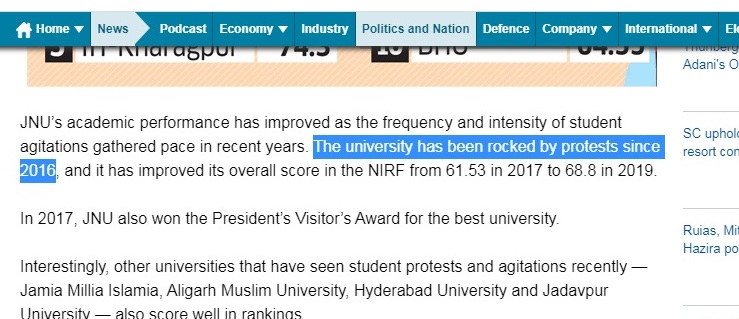
In this example we do not know the exact duration for which the university has been rocked
Rule:
We use “for” when we know the exact duration of an event.
Example:

In this example we have the exact duration for which the cast remained silent
Grammar Point 2
Past Perfect:
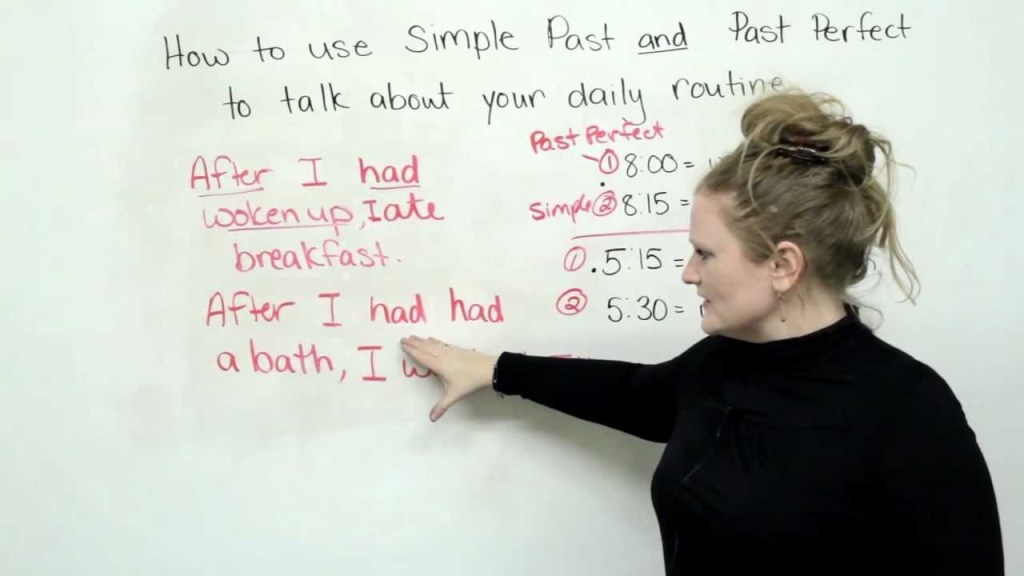
When there are two events in the past, we use past perfect to show that one event occurred before another event
Rule:
Prior event is formed with past perfect while the later is formed with past simple.
For Example:
Grammar Point 3
Maybe Vs May be:
What is the difference between maybe and may be?
Confused???
Maybe:
It is an adverb, it indicates possibility.
It literally means possibly or perhaps.
Rule:
Maybe is an adverb and it is never used as verb.
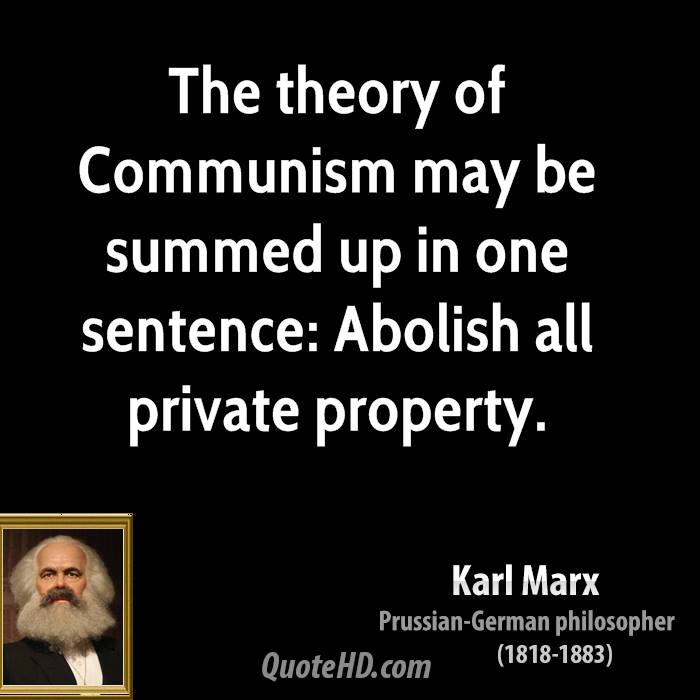
Example:

May be:
It is a verb phrase
“May be” indicates something that might happen or a potential state of affairs
Rule:
May be is a verb phrase and it is never used as an adverb
Example:
Grammar Point 4
Had better:
Had better is an advice modal which means same as ought to or should.
But differ in that it has a sense of urgency as if something bad would happen if you do not follow the advice
Rule:
It is used when you want to express urgency in advice
For Example:
Grammar Point 5
Would Rather:
This is a modal which is used to express preferences. It is used with than.
Rule:
We use “would rather” when we want to show preference between two things. It is used with than.
For Example:

Grammar Point 6
Adjective Clause:
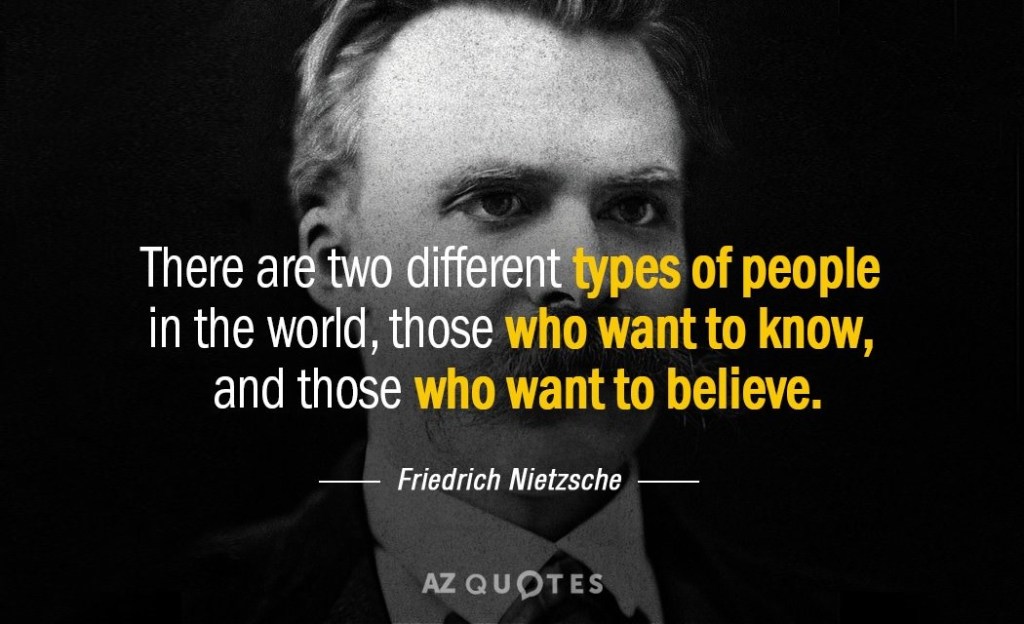
It is a clause that describes or modifies nouns. Clause means a sentence with a subject and a verb.
But, the subject that comes in adjective clauses is a pronoun like who, which that
Rule:
Adjective clauses must have a subject pronoun and verb.
For Example:
The girl who is wearing sweater is my friend.
In this sentence “who is wearing” is an adjective clause as it describes the noun “girl”.
Grammar Point 7
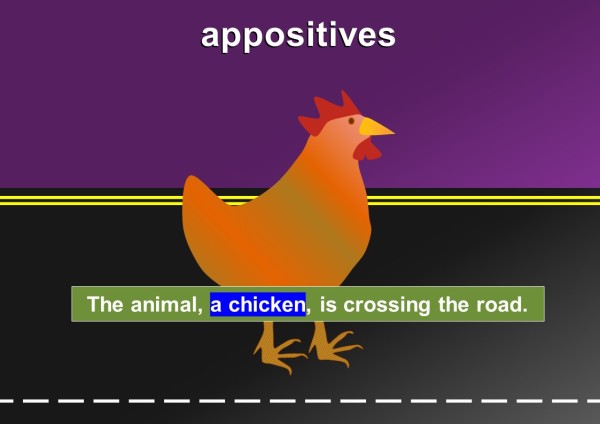
Appositives:
These are noun or noun phrases that give a new name to the main noun.
This gives extra information about the subject.
Rule:
The rule is that we use commas with the subjects that are well known or specific.
For Example:
Donald Trump, president of United States, is popular for his hate speech.
“President of United States” is a new name for “Donald Trump”. It is called appositive.
Grammar Point 8
Subject Verb Agreement:
Singular subject needs to have singular verb form, whereas plural subject needs to have plural verb form.
Rule:
Use singular verbs with singular nouns and plural verbs with plural nouns.
For Example:
Grammar Point 9
Indefinite Article:
These include “a” or “an”. Both these articles literally mean “any”.
The difference is that “a” is used with consonant sound, whereas “an” is used with vowel sound.
Rule:
These articles are used:
With singular count nouns
When giving general facts about a thing or person
When talking about unspecific things
When introducing something for the first time
For Example:

We used “a” because we are talking about singular count noun. We didn’t use “an” because the word picture starts with consonant sound
Grammar point 10
Definite Article:
This include article “the”. “The” literally mean “this, that, these, those”
Rule:
“The” is used with:
Specific things
Plural nouns
Specific non count noun
When refereeing to a thing again.
Superlative degrees
For Example:

We used definite article because we are talking about specific thing
Grammar Point 11
Impossibility Modal:
These are the modals that are used to express disbelief or impossibility in the present. These are “can’t” and “couldn’t”.
Rule:
These modals are always used with “be”.
For Example:

Grammar Point 12
Stative Verbs:
Stative verbs are the kind of verbs that do not express actions. They express states.
We use them to talk about thoughts, emotions, senses, and states of being.
Rule:
Do not use stative verbs with –ing.
For Example:
He believes that the earth is flat.
She loves to read novels.
These verbs are showing states of mind.

The word “love” shows a state of mind
References
http://penchaljammula.blogspot.com/2018/12/nietzsche-quotes.html
htts://spiritualcleansing.org/i-would-rather-walk-with-a-friend-in-the-dark-than-alone-in-the-light/
https://bookshout.com/ebooks/i-love-my-puppy-puppy-care-for-kids-children-s-dog-books
https://giphy.com/explore/it-cant-be-true
https://www.youtube.com/watch?v=LKynYB9fZPM
https//:www.youtube.com/watch?v=7Mni3yDpIWo
https://study.com/academy/lesson/indefinite-and-definite-articles-definition-and-examples.html
https://blog.bannersnack.com/create-advertisement-online/
https://blog.bannersnack.com/create-advertisement-online/
https//www.youtube.com/watch?v=ERqgBXBmJDw
 Everyday Philosophy